5th Dynamic Line Rating (DLR) &
Grid Enhancing Technologies (GETs) 2026
24 - 25 November 2026 | Berlin
The 5th Dynamic Line Rating (DLR) & Grid Enhancing Technologies (GETs) 2026 brings together TSOs, utilities, and technology leaders to explore dynamic line rating, congestion management, grid optimisation, renewable integration, and innovative solutions that maximise transmission capacity and accelerate Europe’s energy transition.
5th Dynamic Line Rating (DLR) & Grid Enhancing Technologies (GETs) 2026
The 5th Dynamic Line Rating (DLR) & Grid Enhancing Technologies (GETs) 2026 is Europe’s leading forum dedicated to unlocking additional grid capacity, accelerating renewable energy integration, and strengthening transmission network performance through innovative grid optimisation technologies.As electrification accelerates and renewable generation expands across Europe, transmission operators face increasing pressure to connect new generation assets, reduce congestion, and maximise existing infrastructure. This conference brings together TSOs, utilities, regulators, grid operators, technology providers, and energy innovators to explore the latest developments in Dynamic Line Rating (DLR), Advanced Power Flow Control, Topology Optimisation, Power Flow Devices, and other Grid Enhancing Technologies (GETs).Key discussions will focus on real-time grid monitoring, congestion management, renewable integration, transmission capacity optimisation, digital twins, AI-driven grid analytics, and regulatory frameworks supporting GET deployment. Through expert-led presentations, practical case studies, and interactive discussions, attendees will gain valuable insights into deploying cost-effective solutions that increase grid flexibility, improve reliability, and accelerate Europe's clean energy transition without major infrastructure expansion.
Why Attend Conferences Hosted by Us?
PEER TO PEER
We make sure that you are in good company. Prospero conferences provide energy industry experts and decision-makers a platform to discuss common challenges, share best practices, and network.
LONGEST INTERACTION TIME
We promise the most prolonged average duration of direct peer-to-peer networking (at least 10 minutes per participant within two days of an in-person event) with the most senior and relevant professionals about specific energy-themed topics.
ENERGY SECTOR
Since 2013, we have been specializing in producing conferences in the energy sector. Our in-depth knowledge of the industry helps us create tailor-made conferences on the latest and the most pressing developments.
EUROPE
Europe is at the forefront of advancements and revolutions in the clean energy transition. We aim to provide a platform for European decision-makers in the energy industry to benchmark best-practices with their peers.
Speakers

Gernot Tuschewitzki
Engineer Overhead Line
Technology
TRANSNETBW GMBH
Saurabh Jain
Director- Energy
FutureBridge

Felipe Loose
Head of Tech Sales
ENLINE

Véronique Verrier
Manager Data Expertise and
Services for International Grid
Operators
ENEDIS

Sebastian Wende-Von Berg
Acting Head, Network
Planning and Operations
FRAUNHOFER IEE

Andrej Souvent
CEO
Operato d.o.o.

Eriselda Malaj
Chief Technology Officer
OSHEE GROUP
Alberto Del Rosso
Area Manager, Grid Operations
& Planning
EPRI

Benjamin Brint
Overhead Line Project
Engineer
SSEN TRANSMISSION

Sven Hoffmann
Senior Overhead Line Engineer
Green GEN Cymru

Walter Heister
Consultant for OHL
CTC Global

Németh Bálint
Assistant Professor, Manager
BUDAPEST UNIVERSITY OF
TECHNOLOGY AND ECONOMICS
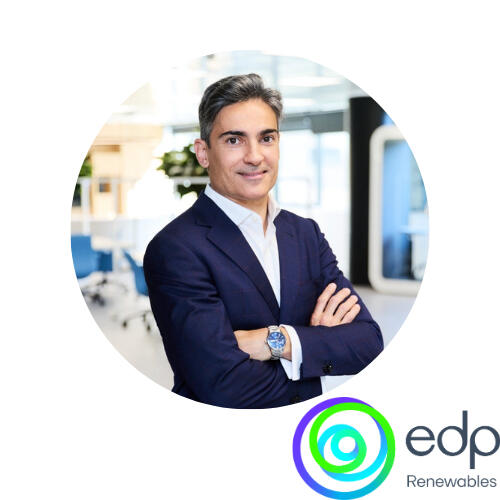
Christian Barba Rodulfo
Senior Director Energy
Storage
EDP

Ismaiel Abdalla
Specialist Power System Engineer
SAUDI ENERGY (EX- NESO)

Vittoria Bottin
Global Sales Manager
De Angeli Prodotti S.r.l.
Speaker Introduction
Testimonials
"Thank you very much. It was also my pleasure to participate and I’m looking forward to our next
project"National Information Security Officer, Vattenfall
"Great organization! I really enjoyed the international character: so many different participants from different countries and perspectives and all that was very valuable."VP Infrastructure Economics, E.ON

"I find all the presentations very relevant to the challenges we are going to deal with. It is good to understand the trends as well as hear the experience from other colleagues on how they are approaching those challenges"GM & CEO, CEZ

"Thank you very much for the opportunity to speak. It was great working with you and the pleasure was mine as well to get to know you. I’m also interested in further collaborations. It’s a good thing that you got going here. Unfortunately, this time I was not able to participate full time, I hope next time this will be possible again."Head of SAS Engineering, Swissgrid
Register Now
Seats are filling up fast, book yours today!
IN-PERSON DELEGATE
1499€
Access to the 2-day conference in-person at the venue
Peer-to-peer networking between sessions
Post-conference Documentation Package
Refreshments, coffee breaks, and luncheons at the hotel venue
VIRTUAL DELEGATE
599€
Access to the 2-day conference online
Post-conference Documentation Package
Speaking, Branding, and Sponsorship Opportunities at the Event

Ignite unprecedented business growth by seizing the extraordinary opportunity to sponsor the event. Leverage Speaking, Branding, and Sponsorship Opportunities to showcase your expertise, elevate your brand visibility, and forge enduring connections with decision-makers and qualified buyers who align seamlessly with your target market.Our Speaking, Branding, and Sponsorship Opportunities platform is not just an investment; it's a strategic partnership designed to maximize your value. Whether you're looking to turbocharge your advertising, drive impactful business development, amplify your promotional strategies, or optimize your overall marketing investments, rest assured that we possess the expertise to elevate your brand and deliver exceptional conversions.Seize this opportunity now to secure Speaking, Branding, and Sponsorship Opportunities beyond traditional marketing. Join us at the forefront of industry influence, let your voice be heard on stage, your brand shine across channels, and your message resonate with a curated audience of decision-makers.
Scaling sensors across a grid is slow, very costly and never complete. 𝗘𝗻𝗹𝗶𝗻𝗲 𝗰𝗵𝗮𝗻𝗴𝗲𝘀 𝘁𝗵𝗶𝘀.
We have built 𝗚𝗿𝗶𝗱𝗦𝗶𝗴𝗵𝘁®, 𝘁𝗵𝗲 𝗳𝗶𝗿𝘀𝘁 𝗺𝘂𝗹𝘁𝗶-𝗽𝗵𝘆𝘀𝗶𝗰𝘀 𝗱𝗶𝗴𝗶𝘁𝗮𝗹 𝘁𝘄𝗶𝗻 𝘁𝗵𝗮𝘁 𝘁𝗿𝗮𝗻𝘀𝗳𝗼𝗿𝗺𝘀 𝗲𝘅𝗶𝘀𝘁𝗶𝗻𝗴 𝗱𝗮𝘁𝗮 𝗶𝗻𝘁𝗼 𝗮 𝟯𝟲𝟬° 𝘃𝗶𝗲𝘄 𝗼𝗳 𝘁𝗵𝗲 𝗴𝗿𝗶𝗱, giving utilities the power 𝘁𝗼 𝘀𝗲𝗲 𝗺𝗼𝗿𝗲, 𝘂𝗻𝗱𝗲𝗿𝘀𝘁𝗮𝗻𝗱 𝗯𝗲𝘁𝘁𝗲𝗿 𝗮𝗻𝗱 𝗼𝗽𝘁𝗶𝗺𝗶𝘇𝗲 𝘁𝗵𝗲𝗶𝗿 𝗲𝘅𝗶𝘀𝘁𝗶𝗻𝗴 𝗶𝗻𝗳𝗿𝗮𝘀𝘁𝗿𝘂𝗰𝘁𝘂𝗿𝗲.
Our mission is to act as the intelligence layer for power grids & grid users, maximising infrastructure capacity, stability, and security to accommodate growing electricity demand and the rapid integration of renewables.
Built on Gridsight®, Enline's modular application suite ( 𝗗𝘆𝗻𝗮𝗺𝗶𝗰 𝗟𝗶𝗻𝗲 𝗥𝗮𝘁𝗶𝗻𝗴, 𝗡𝗲𝘁𝘄𝗼𝗿𝗸 𝗦𝘁𝗮𝘁𝗲 𝗘𝘀𝘁𝗶𝗺𝗮𝘁𝗶𝗼𝗻, 𝗩𝗲𝗴𝗲𝘁𝗮𝘁𝗶𝗼𝗻 𝗠𝗮𝗻𝗮𝗴𝗲𝗺𝗲𝗻𝘁, 𝗮𝗻𝗱 𝗣𝗼𝘄𝗲𝗿 𝗙𝗹𝗼𝘄 𝗢𝗽𝘁𝗶𝗺𝗶𝘀𝗮𝘁𝗶𝗼𝗻) integrates with existing SCADA, available telemetry, scaling across grids of any size, from generation through transmission to distribution.
As the energy transition accelerates, Enline supports utilities in building 𝘀𝗺𝗮𝗿𝘁𝗲𝗿, 𝗺𝗼𝗿𝗲 𝗿𝗲𝘀𝗶𝗹𝗶𝗲𝗻𝘁, 𝗮𝗻𝗱 𝗳𝗹𝗲𝘅𝗶𝗯𝗹𝗲 𝗴𝗿𝗶𝗱𝘀.

CTC Global is a leading provider of advanced conductor and grid modernization solutions, specializing in technologies that help utilities increase the capacity, efficiency, reliability, and resilience of electric power transmission and distribution networks. Its flagship ACCC® Conductor enables utilities to significantly increase transmission capacity while reducing line losses and thermal sag, supporting faster grid upgrades and renewable energy integration.Building on its advanced conductor technology, CTC Global also offers the ACCC InfoCore® System for conductor integrity verification and the GridVista™ System, which integrates embedded sensing and advanced analytics to provide real-time visibility into transmission-line conditions. These capabilities support utilities in areas such as dynamic line ratings, asset-health assessment, anomaly detection, capacity optimization, and grid reliability.Its solutions are designed to help utilities unlock additional capacity from existing infrastructure, reduce congestion, improve operational visibility, accelerate grid modernization, and support the integration of growing renewable and electricity demand without always requiring entirely new transmission corridors.
Who Should Attend?
Industry Focus
Transmission System Operators (TSOs)
Distribution System Operators (DSOs)
Grid Technology Providers (DLR, sensors, monitoring systems)
Utilities & Energy Companies
Energy Storage and Grid Flexibility Providers
Grid Automation and Control System Vendors
Smart Grid & Digital Infrastructure Firms
Renewable Energy Developers (integration-focused)
Engineering, Procurement & Construction (EPC) firms
Regulatory Bodies and Energy Authorities
IoT and Sensor Technology Providers for Energy Networks
Academic & Research Institutions (focused on grid innovation)
Energy Data and Forecasting Solutions Companies
Software and Digital Twin Providers for Grid Management
Consulting Firms in Grid Planning & Optimization
Job Titles
Grid Operations Manager
Transmission Network Planning Engineer
DLR Project Lead / Specialist
Smart Grid Innovation Manager
Head of System Operations & Flexibility
Senior Power Systems Engineer
Manager – Grid Optimization & Performance
Lead Engineer – Dynamic Line Rating Systems
GET Solutions Manager
Director of Grid Integration Technologies
Head of Asset Management – Transmission
Senior Analyst – Grid Capacity & Congestion
Smart Infrastructure Development Lead
Digitalization & Data Analytics Manager – Grid
Energy Forecasting & Grid Analytics Specialist
SANA Berlin Hotel
𝐕𝐞𝐧𝐮𝐞
SANA Berlin Hotel
Address: Nurnberger Str. 33/34,10777 Berlin, Germany
𝐑𝐞𝐬𝐞𝐫𝐯𝐚𝐭𝐢𝐨𝐧 𝐈𝐧𝐟𝐨𝐫𝐦𝐚𝐭𝐢𝐨𝐧:
To book your accommodation for the event, get in touch with the
SANA Berlin Hotel reservation department:
When booking, please mention 𝐏𝐑𝐎𝐒𝐏𝐄𝐑𝐎 to ensure you receive the appropriate rates and accommodations for the event.

Previous Attendees


Download Agenda
Speaking, Branding, and Sponsorship Opportunities at the Event


At Prospero Events Group, we prioritize Speaking, Branding, and Sponsorship Opportunities as powerful avenues to foster meaningful connections and active engagements that drive your business forward.
We provide an exclusive platform for industry leaders to showcase their expertise, amplify their brand, and engage with decision-makers through high-impact speaking slots, branded materials, and tailored sponsorship packages. These opportunities position your organization at the forefront of industry innovation, ensuring your solutions and thought leadership reach a highly targeted audience.Our conferences are designed to create a dynamic environment where sponsors can deliver their message directly to key executives actively seeking partnerships and innovative ideas. With options to exhibit your brand, present on stage, and maximize your visibility through premium branding opportunities, you’ll make a lasting impression on top-level delegates.Partner with Prospero Events Group to leverage these Speaking, Branding, and Sponsorship Opportunities, elevate your profile, and forge powerful connections that set your business apart in today’s competitive landscape.

Platinum Sponsor

1 Speaking slot.
3 in-person passes for the 2-day event (speaker included in these passes).
Booth space provided with a desk and two chairs. Roll-up banner (provided by sponsor) placed in the venue.
Participation in the panel discussion.
Logo with hyperlink featured on the event website.
Social media promotion, including dedicated pre-event posts.
Logo featured on the event agenda and highlighted in pre-event email campaigns sent to potential attendees.
Sponsor’s business description and contact information included in the final agenda.
Access to participants' contact details.
Gold Sponsor

1 Speaking slot.
2 in-person passes for the 2-day event (speaker included in these passes).
Booth space provided with a desk and two chairs. Roll-up banner (provided by sponsor) placed in the venue.
Participation in the panel discussion.
Logo with hyperlink featured on the event website.
Social media promotion, including dedicated pre-event posts.
Logo featured on the event agenda and highlighted in pre-event email campaigns sent to potential attendees.
Sponsor’s business description and contact information included in the final agenda.
Access to participants' contact details.
Silver Sponsor

1 Speaking slot.
1 in-person pass for the 2-day event (speaker included in this pass).
Booth space provided with a desk and two chairs. Roll-up banner (provided by sponsor) placed in the venue.
Participation in the panel discussion.
Logo with hyperlink featured on the event website.
Social media promotion, including dedicated pre-event posts.
Logo featured on the event agenda and highlighted in pre-event email campaigns sent to potential attendees.
Sponsor’s business description and contact information included in the final agenda.
Access to participants’ contact details.
Speaking Slot

1 Speaking slot: 45 min: 30 min session and 15 min Q&A
1 in-person pass for the 2-day event (speaker included in this pass).
Participation in the panel discussion
Social media promotion leading up to the conference
Access to participants' contact details
Post-conference Documentation Package
Submit Your Interest
Thank you! 😊
Our team will respond within 24-48 hours.
Online Payment
IN-PERSON DELEGATE
1499€
VIRTUAL DELEGATE
599€
Grid Modernisation Is Not Enough: Europe Now Needs Real-Time Grid Optimisation
Europe’s electricity grids are under growing pressure. Renewable generation is expanding, electrification is accelerating, industrial power demand is increasing, and data centres are placing new stress on already constrained networks. Across several European markets, the challenge is becoming clear: building new grid infrastructure remains essential, but it is no longer fast enough on its own.
Beyond Static Limits: How ELES Is Unlocking More Capacity from Existing Power Lines
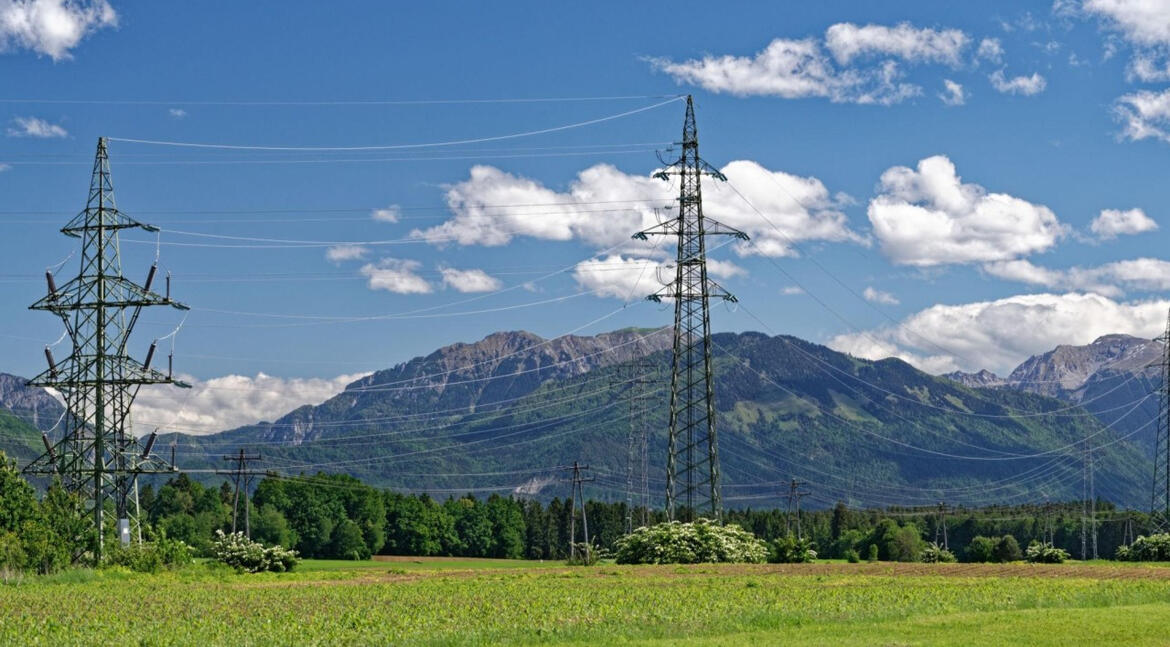
Slovenia's transmission system operator, ELES, d.o.o., combined transmission and distribution system operator of the Republic of Slovenia , is demonstrating how Dynamic Line Rating (DLR) can help answer that question by unlocking additional capacity from existing power lines.Rather than relying exclusively on network expansion, ELES, d.o.o., combined transmission and distribution system operator of the Republic of Slovenia is using weather intelligence, real-time monitoring and advanced thermal modelling to make more informed decisions about how its transmission assets are operated.
Beyond Static Limits: How Digital Twins Are Redefining Dynamic Line Rating
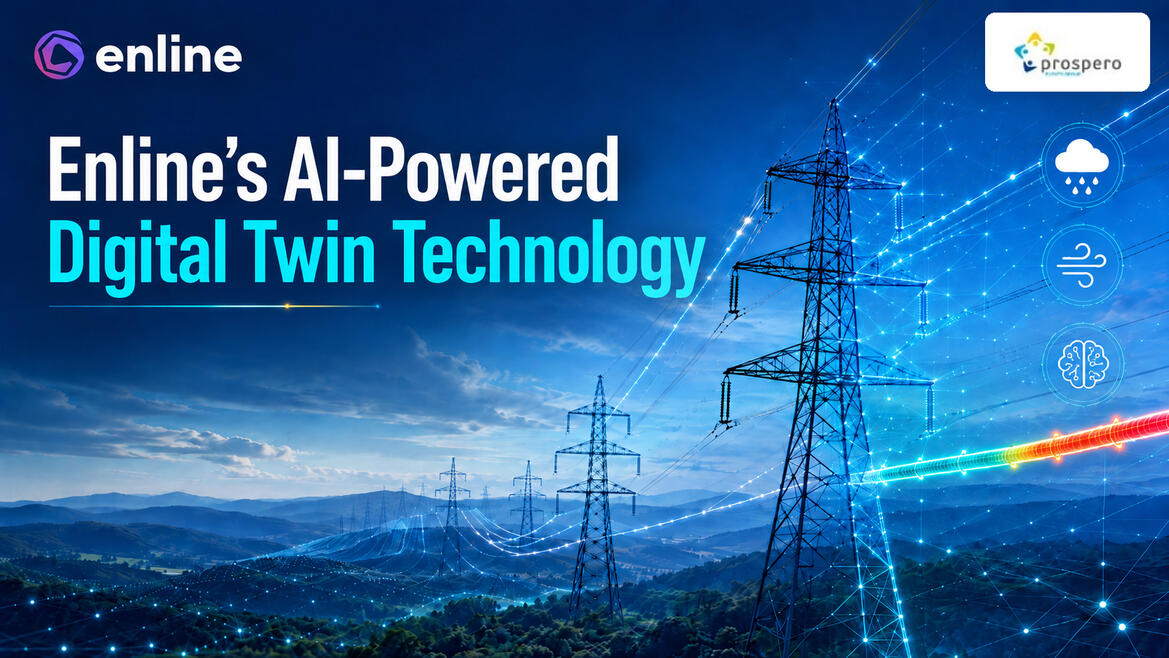
One of those technologies is Dynamic Line Rating (DLR). Rather than relying only on fixed, conservative transmission-line ratings, DLR calculates how much current a conductor can safely carry based on changing environmental and operating conditions. Enline has combined this concept with Digital Twin technology, numerical weather prediction, SCADA data and physics-based conductor modelling to create a more dynamic view of transmission capacity
Scotland’s Power Grid Gets Smarter: New Technology Unlocks More Capacity from Existing Lines
Europe's electricity networks are under growing pressure. Renewable energy production is increasing, demand for electricity is rising, and building new transmission infrastructure takes time. But what if part of the solution is already hanging above our heads? That is exactly what SSEN Transmission is demonstrating in northern Scotland.
On 23 September 2026, the company announced that Dynamic Line Rating (DLR) had gone live on its electricity network north of Beauly, marking an important step in making better use of existing transmission infrastructure.

From Pilot to Power System: Dynamic Line Rating Is Scaling Across Europe
Europe’s electricity networks face a difficult equation: more renewable generation, rising electricity demand and growing congestion—while new transmission infrastructure can take years to deliver.That is putting renewed attention on technologies capable of extracting more value from the grid that already exists.One of the clearest examples is Dynamic Line Rating (DLR).
Grid Modernisation Is Not Enough: Europe Now Needs Real-Time Grid Optimisation
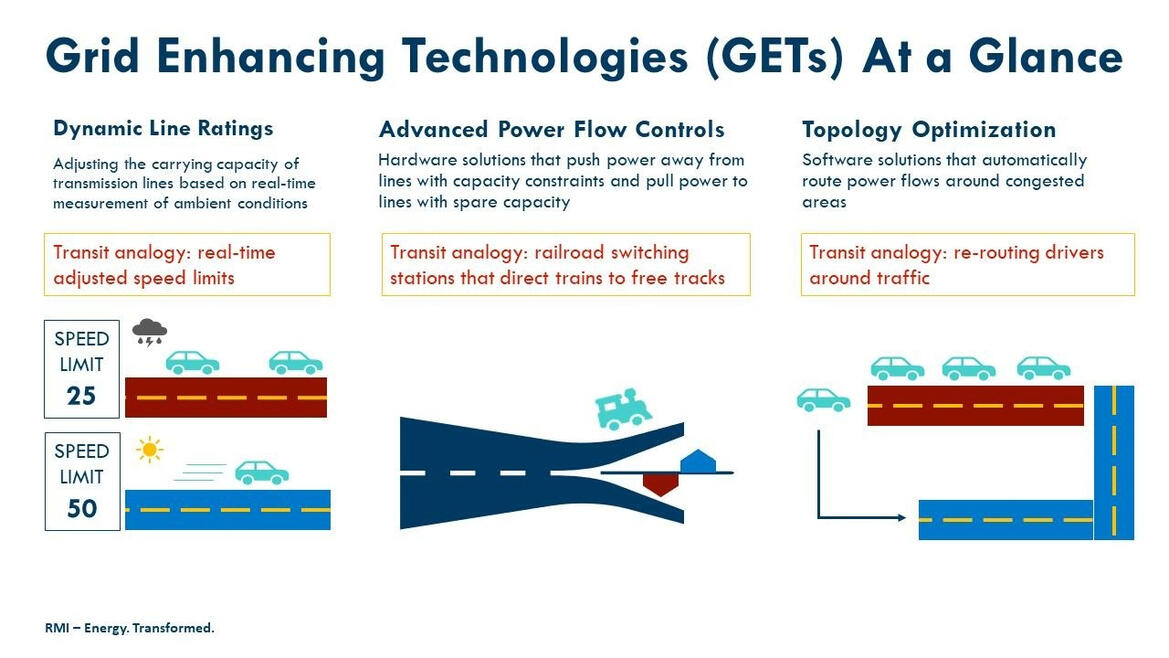
Europe’s electricity grids are under growing pressure. Renewable generation is expanding, electrification is accelerating, industrial power demand is increasing, and data centres are placing new stress on already constrained networks. Across several European markets, the challenge is becoming clear: building new grid infrastructure remains essential, but it is no longer fast enough on its own.Grid modernisation has traditionally focused on upgrading substations, expanding transmission lines, reinforcing distribution networks and improving interconnection capacity. These investments remain critical. However, long permitting timelines, high capital costs and supply chain constraints mean that new infrastructure can take years to become operational.This is why the industry conversation is now shifting from grid modernisation to real-time grid optimisation.Real-time optimisation allows grid operators to make better use of existing infrastructure. Instead of relying only on fixed assumptions and static planning models, operators can use live data, forecasting, automation and advanced software to understand how much capacity is actually available across the network at any given moment.
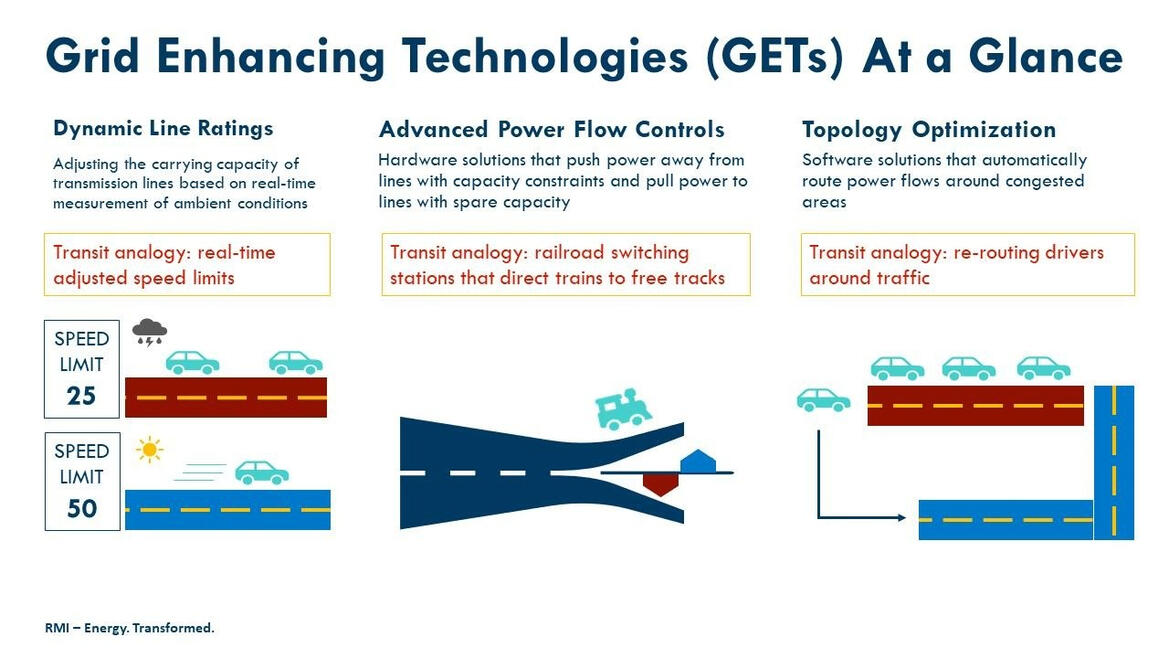
Technologies such as Dynamic Line Rating, Advanced Power Flow Control, topology optimisation, digital twins, AI-based forecasting, DER management systems and automated control platforms are becoming increasingly important. These solutions can help reduce congestion, improve renewable integration, support grid stability and delay or reduce the need for costly reinforcement.
🎯Join the discussion at the 5th Dynamic Line Rating (DLR) &Grid Enhancing Technologies (GETs) 2026🎯
📍 24 - 25 November 2026 | Berlin
Register now: DOWNLOAD EVENT AGENDA
Recent developments from Eaton reflect this broader market direction. Eaton - Buildings As A Grid ’s Brightlayer Energy platform focuses on AI-powered energy management, real-time data analysis, forecasting and automated control.** While its primary focus is building and facility energy optimisation, it demonstrates how power management is becoming more digital, flexible and grid-interactive. As buildings, batteries, EV charging and onsite renewables become active parts of the energy system, intelligent control platforms will play a greater role in supporting flexibility and resilience.Other technology companies are also becoming highly relevant to this shift. Siemens is developing Dynamic Line Rating capabilities through its Gridscale X portfolio, helping operators calculate near-term line capacity based on weather, conductor and sensor data. Ampacimon and Heimdall Power are focused on Dynamic Line Rating and real-time transmission monitoring, helping utilities unlock hidden capacity from existing overhead lines.Smart Wires Inc. is active in Advanced Power Flow Control, enabling operators to redirect power flows and manage congestion more effectively. GE Vernova and Hitachi Energy are developing grid software, automation and control platforms that support real-time visibility, planning and operational decision-making across transmission and distribution networks.Additionally, Enline is providing advanced monitoring solutions for overhead transmission assets through real-time sensing and predictive analytics. Prisma Photonics is leveraging fiber sensing and AI-driven grid intelligence to deliver real-time transmission monitoring and fault detection capabilities . Gridpulse is contributing with digital monitoring and analytics solutions designed to improve grid performance and operational awareness, while PropheSea is supporting utilities through advanced monitoring technologies and data-driven approaches aimed at enhancing grid reliability, asset utilization, and network efficiency. CTC Global is also playing an important role through its advanced conductor technologies, particularly high-capacity conductors designed to increase transmission capacity, reduce line losses, and help utilities maximize the performance of existing grid infrastructure without requiring major new transmission buildouts.For European TSOs, DSOs and utilities, the relevance is significant. Real-time grid optimisation can help operators respond faster to congestion, connect more renewable generation, manage growing electrification demand and improve network reliability without waiting for every new line or substation project to be completed.The future of Europe’s grid will not depend only on how much infrastructure is built. It will also depend on how intelligently existing infrastructure is used.
Grid modernisation remains the foundation. But real-time optimisation is becoming the next layer of grid performance. As Europe moves toward a more decentralised, renewable and electrified energy system, the winners will be the grid operators and technology providers that can combine physical network expansion with live data, automation and flexible control.
🎯Join the discussion at the 5th Dynamic Line Rating (DLR) &Grid Enhancing Technologies (GETs) 2026🎯
📍 24 - 25 November 2026 | Berlin
Register now: DOWNLOAD EVENT AGENDA
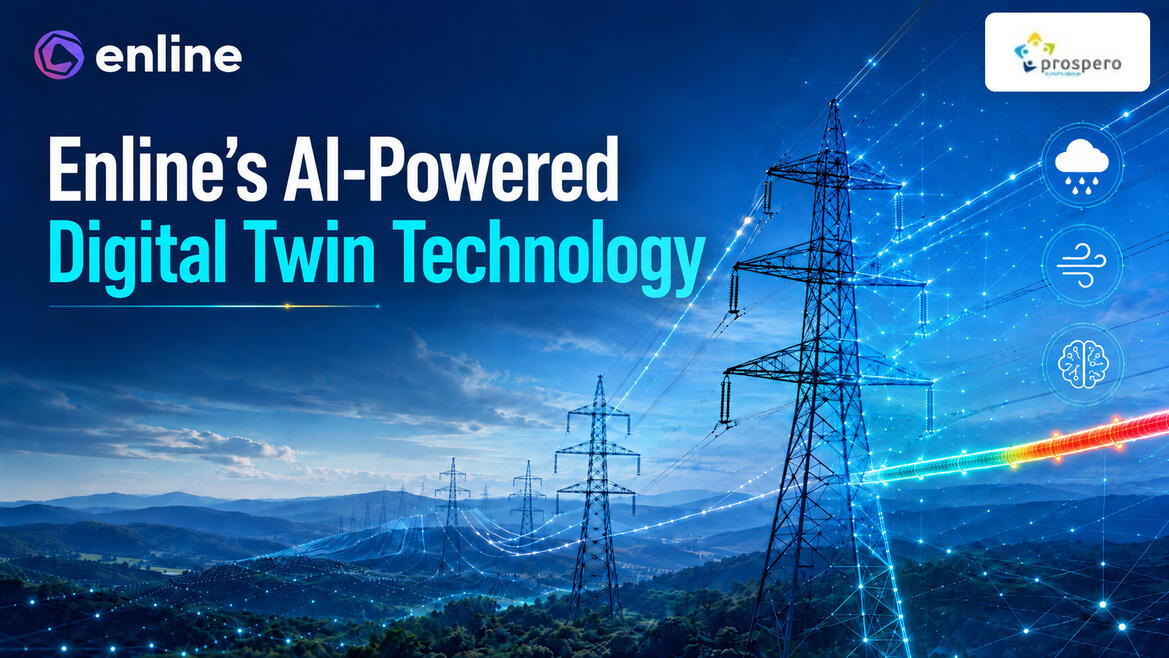
Enline’s AI-Powered Digital Twin Technology
Beyond Static Limits: How Digital Twins Are Redefining Dynamic Line Rating
How Enline’s AI-powered Digital Twin technology is helping grid operators reveal more of the capacity already available in existing transmission infrastructureElectricity grids are being asked to accommodate growing renewable generation, changing demand patterns and increasingly complex power flows. At the same time, expanding transmission infrastructure can involve long development timelines. This is increasing interest in technologies that can help operators make better use of existing network assets.One of those technologies is Dynamic Line Rating (DLR). Rather than relying only on fixed, conservative transmission-line ratings, DLR calculates how much current a conductor can safely carry based on changing environmental and operating conditions. Enline has combined this concept with Digital Twin technology, numerical weather prediction, SCADA data and physics-based conductor modelling to create a more dynamic view of transmission capacity.From Static Ratings to Dynamic Capacity
Traditional Static Line Ratings establish fixed limits based on conservative environmental assumptions, typically including high ambient temperature and low wind conditions.The challenge is that actual conditions can be very different.Wind can cool a conductor. Lower temperatures can increase its thermal headroom. Changing solar radiation and electrical loading can also alter the amount of current that can safely pass through a transmission line.Enline ’s GridSight DLR addresses this by combining real-time SCADA loading, high-resolution numerical weather prediction and physics-based conductor thermal modelling within a georeferenced Digital Twin of the line. According to Enline, the platform can recalculate ampacity every 1–15 minutes at individual span levelAnd it does not stop at real-time monitoring.
Enline e states that GridSight can forecast available line capacity from 36 to 240 hours ahead, allowing DLR information to move beyond real-time situational awareness into areas such as day-ahead scheduling, interconnection-capacity allocation and renewable-integration planning.
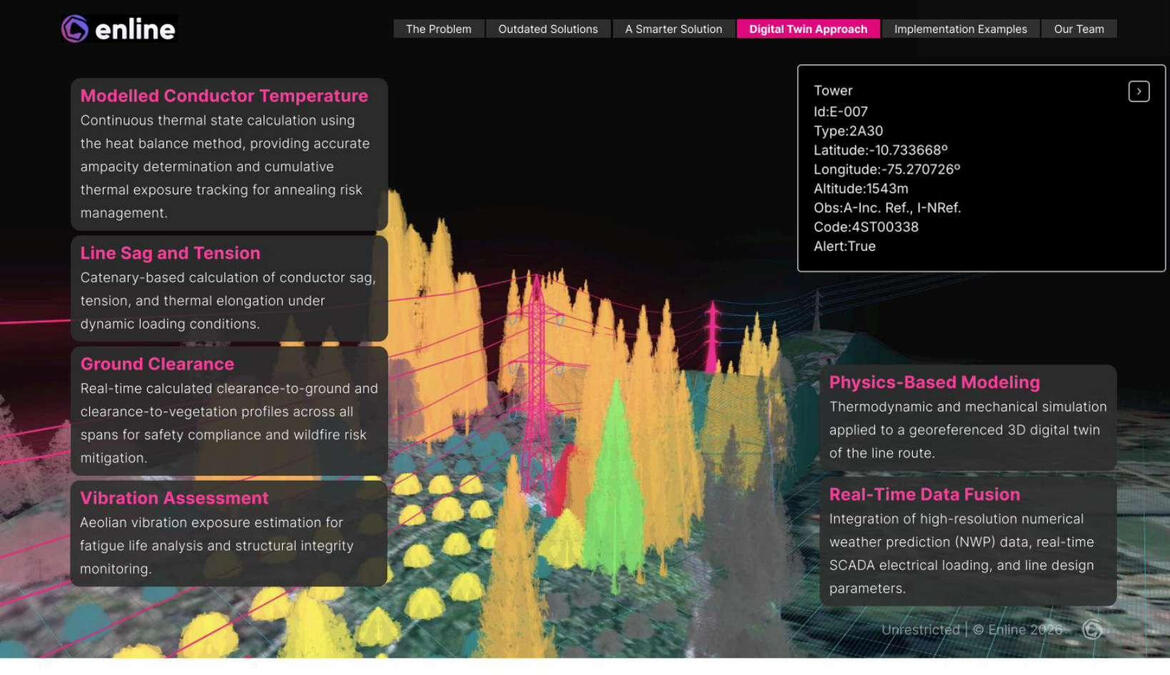
Digital Twin of transmission corridor
The Digital Twin Becomes an Operational Model
This is where Digital Twin technology becomes particularly important.Enline e describes a power-grid Digital Twin as a continuously updated, physics-based computational model of the actual network. The platform can consolidate SCADA telemetry, numerical weather-prediction inputs, line-design parameters and DLR outputs into a common representation of network conditions.Instead of simply showing operators what has already happened, this approach is designed to help them understand:What is happening now → What the grid can safely carry → How conditions are expected to change.That shifts the role of grid digitalisation from monitoring toward prediction and operational decision support. Enline 's broader technology platform combines Digital Twins with AI and power-systems modelling, and includes modules for Dynamic Line Rating, Network State Estimation, Vegetation Management and optimisation.
🎯Join the discussion at the 5th Dynamic Line Rating (DLR) &Grid Enhancing Technologies (GETs) 2026🎯
📍 24 - 25 November 2026 | Berlin
Register now: DOWNLOAD EVENT AGENDA
Sensorless DLR Changes the Deployment Model
Another important feature of Enline e’s approach is the reduced dependence on transmission-line hardware.Enline describes GridSight DLR as a 100% software-based solution that can use existing grid-design parameters, line-route geometry and real-time SCADA feeds. Its April 2026 technical article states that deployment does not require line outages, field instrumentation or live-line work.
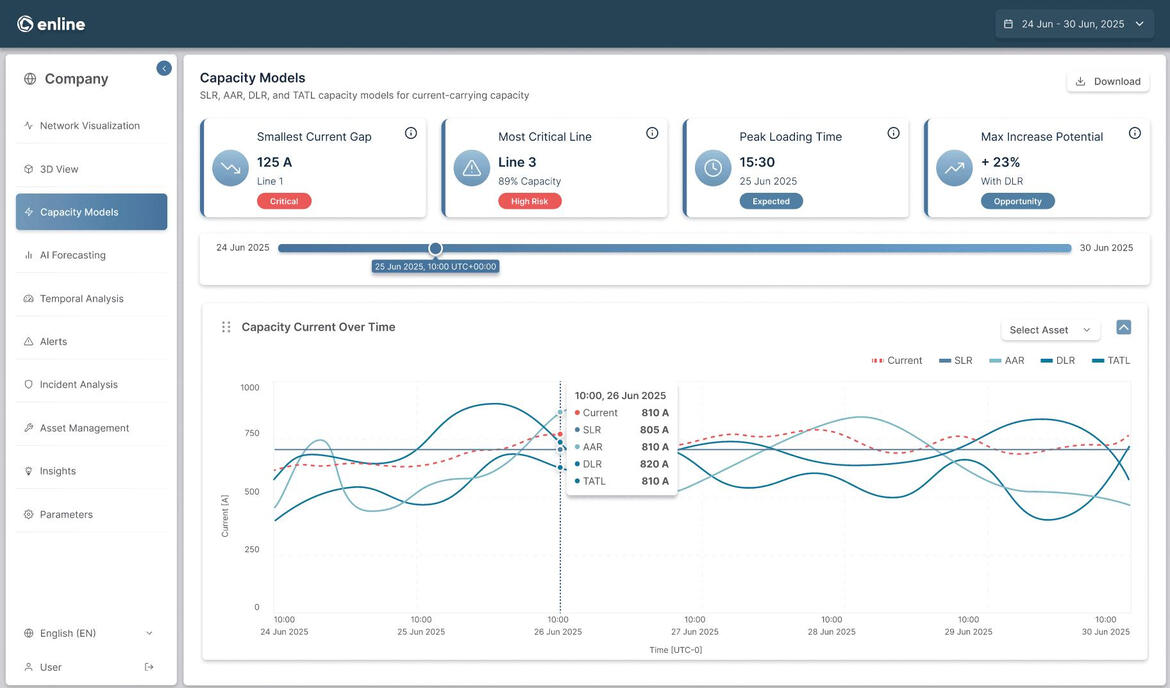
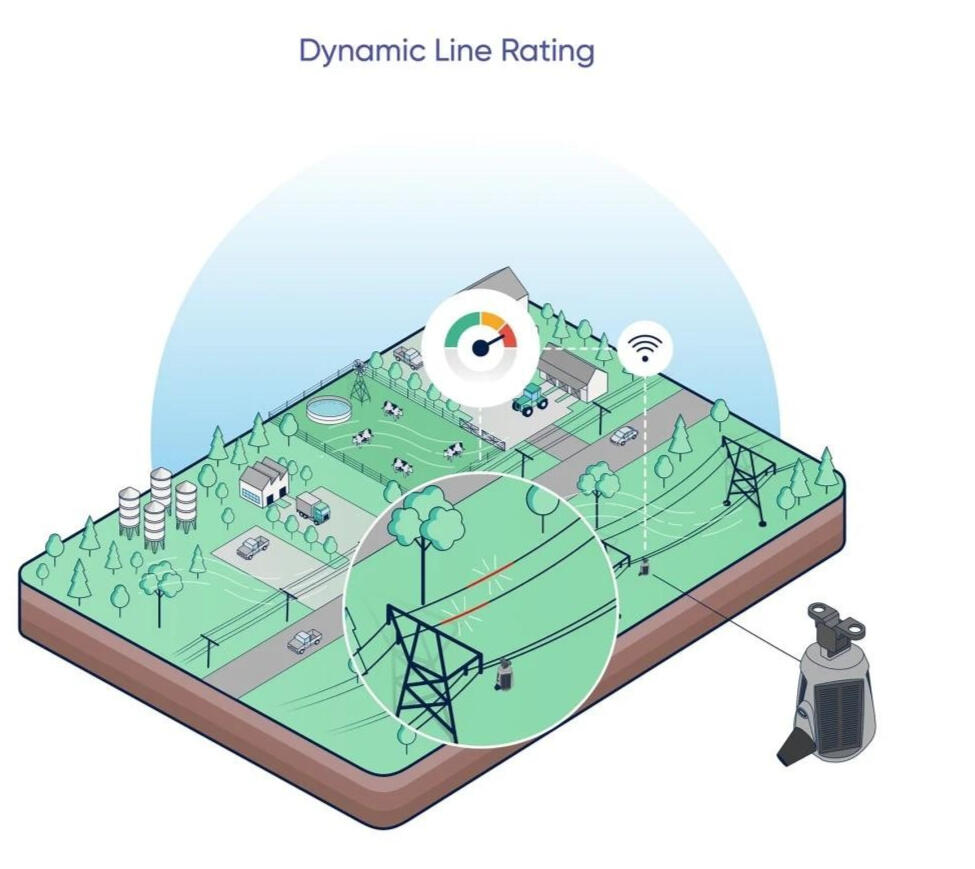
Static assumptions versus dynamic intelligence: DLR allows network operators to understand how transmission capacity changes with actual grid and environmental conditions.
Enline also describes its typical methodology as sensorless DLR, using virtual weather inputs and Digital Twin models instead of installing sensors on every individual span. Where measurements are available, modelling can also be calibrated or validated against field information.For operators responsible for large transmission systems, a software-led architecture can make network-wide deployment easier to scale than approaches dependent on extensive field instrumentation.From Line Rating to Grid Intelligence
The value of DLR is not simply finding a larger number for line capacity.When dynamic ratings are incorporated into broader operational systems, they can support decisions around:✔Congestion management
✔Renewable-energy integration
✔Day-ahead capacity planning
✔Interconnection-capacity allocation
✔Contingency and network-security analysis
✔Topology optimisation
✔Transmission asset utilisationEnline 's GridSight AEMS is specifically positioned for Transmission System Operators and is designed to integrate Digital Twin information into existing EMS environments using standard utility communication protocols.What Are the Results in Practice?
Enline has published results from transmission corridors in the Netherlands and Portugal.For a 107-km corridor in the Netherlands, covering five 380 kV and 150 kV lines, Enline reports an average 20% increase in thermal capacity and a 25% reduction in renewable curtailment following deployment.For a 59.4-km, 400 kV corridor in southern Portugal, Enline reports average capacity gains of 20–40%, with peak ampacity uplifts reaching 80% above static ratings during favourable winter wind conditions.These figures should be presented specifically as results reported by Enline , rather than as universal performance figures for every DLR deployment.DLR Is Also Moving Toward National-Scale Deployment
A more recent example comes from Lithuania.In March 2026, Enline and Energiot announced that they had been awarded a contract by Lithuanian transmission system operator Litgrid to deploy DLR across 38 overhead transmission lines covering approximately 1,170 km of the country's transmission network.That project is particularly relevant because it illustrates how DLR is moving beyond individual demonstration corridors toward much larger transmission-network deployments.The Future Grid May Be Built in Software as Much as in Steel
Dynamic Line Rating does not eliminate the need for new transmission lines, substations or network reinforcement.What it can do is help operators understand the actual thermal capability of infrastructure that is already in service.The combination of:Dynamic Line Rating + Digital Twins + Weather Intelligence + SCADA Data + AI
creates the possibility of moving from fixed assumptions toward dynamic, predictive grid operation. Enline's technology strategy is explicitly built around this combination of Digital Twin technology, AI and power-systems expertise.For grid operators facing congestion, renewable integration and increasing electricity demand, the transition can be summarised simply:From static limits to dynamic capacity.
From monitoring to prediction.
From isolated grid data to Digital Twin intelligence.
🎯Join the discussion at the 5th Dynamic Line Rating (DLR) &Grid Enhancing Technologies (GETs) 2026🎯
📍 24 - 25 November 2026 | Berlin
Register now: DOWNLOAD EVENT AGENDA

Dynamic Line Rating
From Pilot to Power System: Dynamic Line Rating Is Scaling Across EuropeStatic Limits: How Digital Twins Are Redefining Dynamic Line Rating
Europe’s electricity networks face a difficult equation: more renewable generation, rising electricity demand and growing congestion—while new transmission infrastructure can take years to deliver.That is putting renewed attention on technologies capable of extracting more value from the grid that already exists.One of the clearest examples is Dynamic Line Rating (DLR).Recent developments from Fingrid Oyj , National Grid and Statnett SF show that DLR is increasingly moving from small demonstrations toward wider operational deployment.
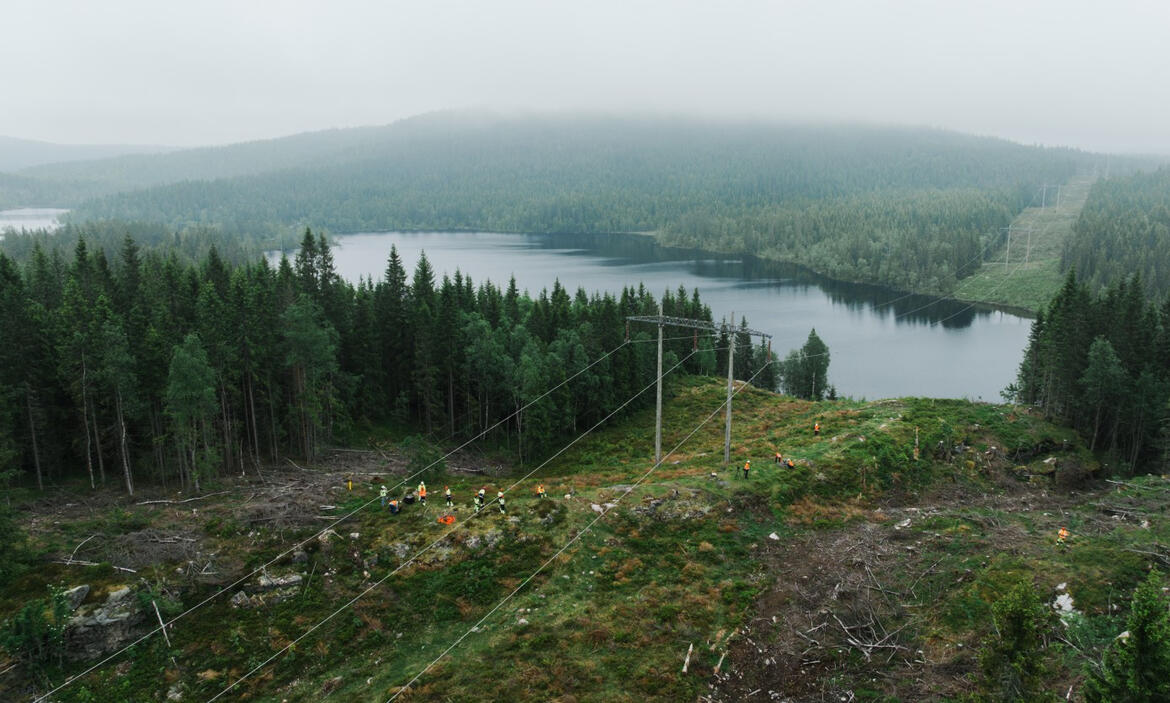
Statnett is using drone-assisted installation as it expands sensor-based Dynamic Line Rating across Norway’s transmission network.
Finland Takes DLR Nationwide
One of the most significant European developments came from Fingrid Oyj .In April 2026, the Finnish transmission system operator announced the nationwide introduction of Dynamic Line Rating across its 400 kV transmission lines.Rather than relying solely on traditional seasonal transmission limits, DLR allows transmission capacity to be calculated while taking prevailing weather conditions into account. More importantly, the technology is entering actual electricity-market operations.Fingrid Oyj stated that dynamic ratings were used for the first time in the main transmission-capacity constraints submitted to the day-ahead electricity market on 22 April 2026.Fingrid Oyj 's implementation is particularly interesting because it is computational and software based. Forecasts are generated using a machine-learning model that considers weather conditions together with the characteristics of each transmission line and its surroundings.That represents an important evolution:DLR is moving from monitoring transmission assets to influencing how available transmission capacity is calculated for market operation.National Grid Expands DLR Across Another 585 kmThe United Kingdom is also scaling the technology.On 30 April 2026, National Grid announced a significant expansion of DLR across its electricity transmission network in England and Wales. Under a new five-year programme, DLR will be deployed across an additional 585 km of key north-to-south transmission routes.National Grid estimates that the programme has the potential to save consumers up to £50 million in constraint costs over five years. The company also says that DLR deployment during the previous five years had already delivered approximately £21 million in constraint-cost savings.National Grid reports that its sensor and data-analytics deployments have enabled an average 8% increase in the power-carrying capacity of circuits where the technology is applied. Importantly, DLR is not being positioned as a replacement for grid reinforcement.National Grid says it complements upgrades such as reconductoring and power-flow controllers, which the company reports have added more than 16 GW of capacity to its existing transmission network.The strategy is increasingly clear: build new infrastructure where necessary, while extracting more capability from existing assets wherever possibleNorway Adds Drones to the DLR EquationPerhaps the most visually interesting development comes from Statnett SF.In June 2026, Norway's transmission system operator installed four DLR sensors on the 300 kV Ulven–Roa transmission line using drones.It was the first time Statnett SF had used drones to install these sensors; previous installations had relied on helicopters. The trial used drone technology from Heimdall Power and Ampacimon.According to Statnett SF , sensor-based DLR can enable capacity increases of up to 30%, depending on operating and weather conditions. And this is not intended to remain a four-sensor trial.Statnett SF plans to install more than 100 DLR sensors across 30 transmission lines from autumn 2026 as part of its sensor-rollout programme. The sensors help Statnett SF understand conductor conditions more precisely. The operator highlights factors including temperature, wind and solar conditions, as well as conductor sag, when determining how much electricity a line can safely carry.This is where DLR becomes more than a capacity technology—it becomes a real-time intelligence layer for the transmission system.
🎯Join the discussion at the 5th Dynamic Line Rating (DLR) &Grid Enhancing Technologies (GETs) 2026🎯
📍 24 - 25 November 2026 | Berlin
Register now: DOWNLOAD EVENT AGENDA
Why Weather Changes the Capacity of a Transmission Line
Traditional transmission ratings are designed to ensure safe operation under predefined conditions.But an overhead conductor does not behave identically every hour of every day.Ambient temperature, wind speed, wind direction, solar radiation and electrical loading influence conductor temperature. Wind, for example, can provide additional cooling. Cooler environmental conditions can create more thermal headroom. Hot, still conditions can have the opposite effect.DLR uses changing conditions and measurements or computational models to establish a more dynamic estimate of how much current a transmission line can safely carry. Statnett SF 's implementation, for example, uses data including temperature, wind and solar conditions, while National Grid describes its approach as calculating ratings from actual conductor behaviour and local weather.The important word is safe.DLR does not remove the physical limits of the transmission system. Fingrid Oyj explicitly notes that DLR does not change the technical or equipment-related constraints of its network—it provides more accurate information about how close lines can safely operate to those limits under prevailing conditions.From “Can DLR Work?” to “How Do We Scale It?”
The industry conversation around Dynamic Line Rating is changing.A few years ago, much of the focus was on proving whether the technology could reliably determine additional available transmission capacity.The developments in Finland, Great Britain and Norway suggest that attention is increasingly shifting toward:How can DLR be integrated into control rooms?How can dynamic ratings influence congestion management and electricity markets?How should DLR forecasts be incorporated into operational planning?How can the technology be deployed economically across hundreds or thousands of kilometres of transmission infrastructure?Fingrid Oyj's nationwide computational rollout, National Grid 's additional 585 km programme and Statnett SF 's planned deployment of more than 100 sensors across 30 lines provide three different examples of how European TSOs are approaching that challenge.The Next Grid Expansion May Start with Better Intelligence
Europe unquestionably needs new transmission infrastructure. Dynamic Line Rating does not change that. But the latest deployments show that expanding physical infrastructure and operating the existing network more intelligently do not have to be competing strategies.The future transmission system is likely to combine:New infrastructure + Dynamic Line Rating + Grid Enhancing Technologies + Better forecasting + DigitalisationThe objective is simple:Move more electricity safely.
Reduce unnecessary congestion.
Use existing assets more effectively.
And create capacity faster while longer-term grid expansion continues.
Perhaps the most important change in 2026 is therefore not the technology itself.It is that Dynamic Line Rating is beginning to move from the innovation programme into day-to-day power-system operation.
🎯Join the discussion at the 5th Dynamic Line Rating (DLR) &Grid Enhancing Technologies (GETs) 2026🎯
📍 24 - 25 November 2026 | Berlin
Register now: DOWNLOAD EVENT AGENDA
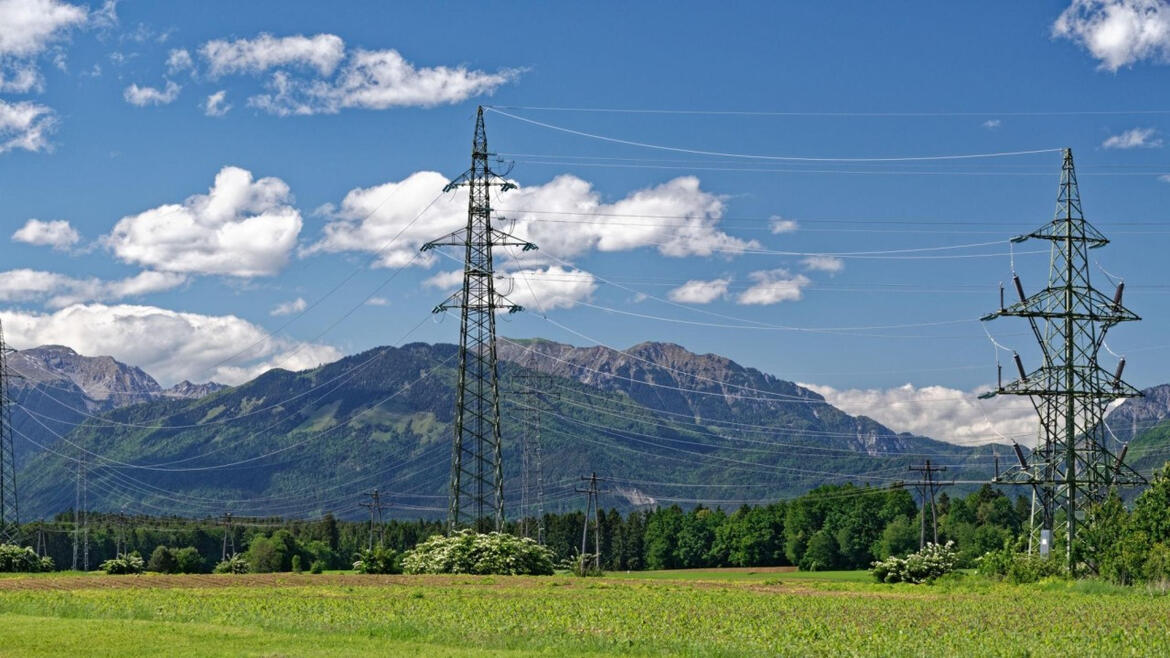
More Grid Capacity. Smarter Operations. Faster Integration of Renewables.
Beyond Static Limits: How ELES Is Unlocking More Capacity from Existing Power Lines
As Europe's electricity networks face increasing pressure from electrification, renewable energy integration and changing power flows, transmission system operators are confronting a critical question:How can we increase grid capacity without waiting years for new transmission infrastructure?Slovenia's transmission system operator, ELES, d.o.o., combined transmission and distribution system operator of the Republic of Slovenia , is demonstrating how Dynamic Line Rating (DLR) can help answer that question by unlocking additional capacity from existing power lines.Rather than relying exclusively on network expansion, ELES, d.o.o., combined transmission and distribution system operator of the Republic of Slovenia is using weather intelligence, real-time monitoring and advanced thermal modelling to make more informed decisions about how its transmission assets are operated.From Conservative Ratings to Real-Time Grid Intelligence
Traditionally, overhead transmission lines operate within static thermal ratings calculated using conservative assumptions about environmental conditions.However, the actual capacity of a power line is not constant.Wind speed, ambient temperature and solar radiation influence conductor temperature and, consequently, the amount of electricity a line can safely carry.Dynamic Line Rating transforms these changing environmental conditions into actionable grid intelligence.Through its SUMO Dynamic Thermal Rating system, ELES, d.o.o., combined transmission and distribution system operator of the Republic of Slovenia has integrated weather information, thermal modelling and operational data to calculate dynamic transmission limits.When conditions are favourable, operators can identify additional available capacity while continuing to respect operational safety requirements.This represents an important shift: from managing transmission networks according to fixed assumptions to managing them according to actual operating conditions.ELES in Numbers: What Has Dynamic Line Rating Delivered?
According to technology provider Operato 's publishedELES, d.o.o., combined transmission and distribution system operator of the Republic of Slovenia case study, the SUMO system has demonstrated measurable benefits in transmission-network monitoring and capacity optimisation.Performance indicator Reported result Transmission lines monitored38Power transformers monitored10Phase-shifting transformers monitored2 Median increase in available transmission capacity15–20% Time when available capacity exceeds nominal ratingsApproximately 95% Forecasting capability Up to 56 hours aheadThese figures illustrate the potential of DLR to improve the utilisation of existing grid infrastructure.
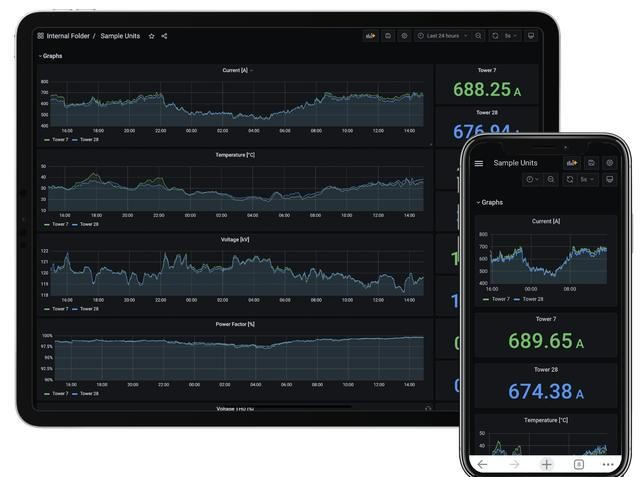
Importantly, the reported capacity increase does not mean that every transmission line can always carry 15–20% more electricity. Actual benefits depend on weather conditions, network constraints and operating requirements.Nevertheless, the ELES experience provides a compelling example of how better information can help unlock capacity that might otherwise remain unavailable under static ratings.Join the Dynam
🎯Join the discussion at the 5th Dynamic Line Rating (DLR) &Grid Enhancing Technologies (GETs) 2026🎯
📍 24 - 25 November 2026 | Berlin
Register now: DOWNLOAD EVENT AGENDA
8Beyond Monitoring: Bringing DLR into Everyday Grid Operations
One of the biggest challenges facing grid operators is not simply collecting data. It is turning that data into reliable operational decisions.*ELES, d.o.o., combined transmission and distribution system operator of the Republic of Slovenia has taken an important step by integrating dynamic rating information into its operational environment, including SCADA and Energy Management Systems.This enables grid operators to use calculated transmission limits in conjunction with other network information.The approach can support:Congestion management: Identifying opportunities to utilise existing transmission capacity more effectively.
Operational planning: Using forecast ratings to anticipate changing network conditions.
Grid reliability: Applying thermal limits based on available information while maintaining safety requirements.
Renewable integration: Supporting the assessment of available transmission capacity as variable generation increases.
Investment planning: Helping operators understand where operational optimisation can complement physical reinforcement.The key lesson is clear: DLR creates the greatest operational value when it becomes part of everyday grid management—not when it remains a standalone monitoring project.From Slovenia to Croatia: Scaling DLR Across Borders
The experience is no longer limited to a single national transmission network.Croatia's transmission system operator, HOPS Croatian Transmission System Operator Plc. , has also adopted the SUMO approach for a national-scale Dynamic Line Rating deployment.According to Operato, the Croatian implementation covers more than 2,500 kilometres of transmission lines.
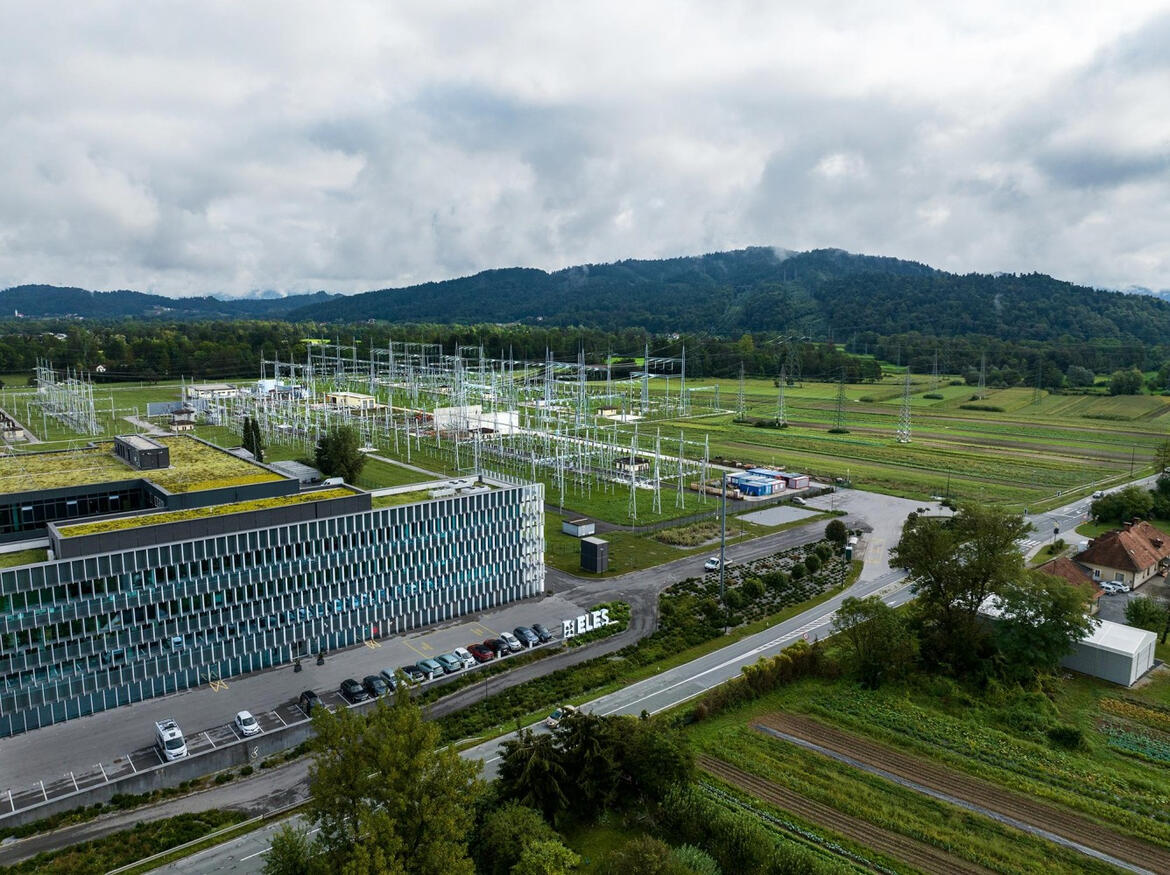
Grid Operation
The ELES–HOPS experience demonstrates how DLR technologies can be applied across interconnected electricity systems, creating opportunities for more coordinated grid-capacity management.It also raises an important question for Europe's transmission operators:If DLR can be integrated into national grid operations, what will it take to make these technologies standard practice across Europe?The answer extends beyond technical capability. It involves data quality, forecasting accuracy, system integration, operational confidence and coordination between network operators.The Bigger Opportunity: Optimise First, Reinforce Where Necessary
Europe's grid-capacity challenge cannot be solved through a single technology.New transmission infrastructure will remain essential. However, grid-enhancing technologies offer opportunities to improve the performance of existing networks while longer-term investments progress.The ELES experience highlights how Dynamic Line Rating can contribute to a broader strategy involving advanced conductors, grid monitoring, forecasting, automation and operational optimisation.Rather than viewing grid expansion and grid optimisation as competing approaches, operators can explore how both can work together.The future of transmission capacity is not just about building more lines. It is about knowing how much capacity already exists—and using it safely and intelligently.Explore the ELES–HOPS Experience at DLR & GETs 2026
These developments will be explored at the Dynamic Line Rating & Grid-Enhancing Technologies 2026 Conference, taking place on 24–25 November 2026 in Berlin.Featured Speaker: Andrej Souvent CEO, OperatoPresentation: “Two National DLR Systems in Operation, One Interconnected DLR Area: The ELES–HOPS Experience.”The session will examine the practical experience of implementing Dynamic Line Rating across transmission networks, with insights into operational integration, national-scale deployment and the challenges of wider adoption.Join transmission system operators, distribution network operators, grid technology providers and industry experts to explore how innovative technologies are reshaping Europe's electricity networks.Because the next breakthrough in grid capacity may not require a new power line—it may begin with using the existing one more intelligently.
🎯Join the discussion at the 5th Dynamic Line Rating (DLR) &Grid Enhancing Technologies (GETs) 2026🎯
📍 24 - 25 November 2026 | Berlin
Register now: DOWNLOAD EVENT AGENDA
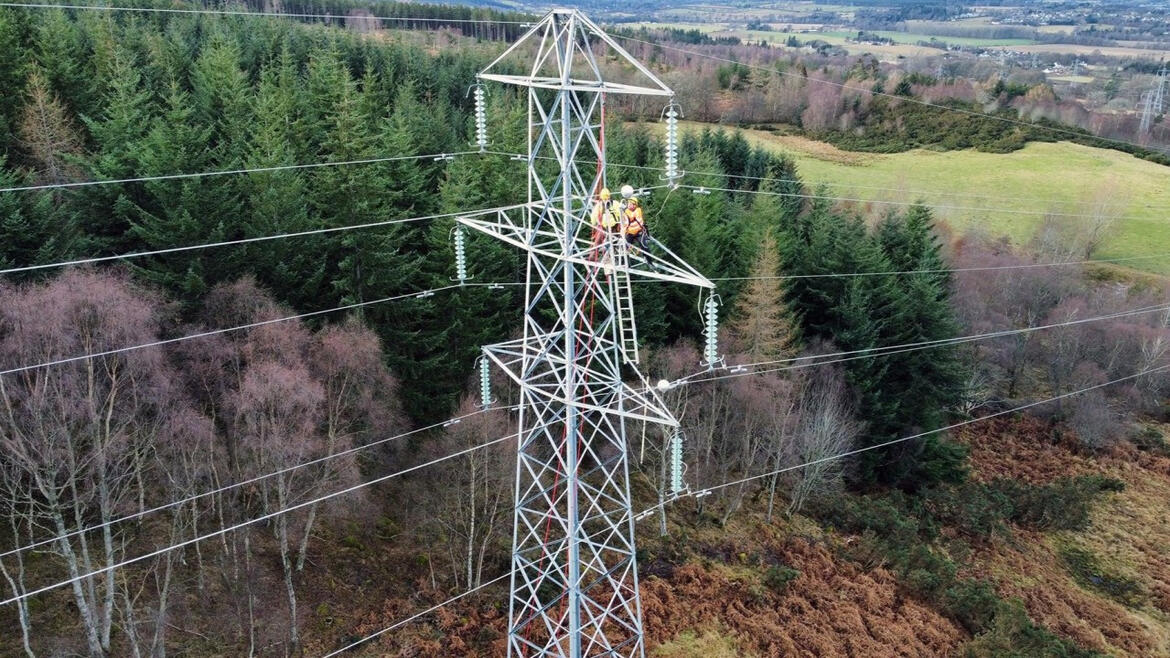
How SSEN Transmission is using real-time weather data to move more renewable electricity without waiting for new power lines
Scotland’s Power Grid Gets Smarter: New Technology Unlocks More Capacity from Existing Lines
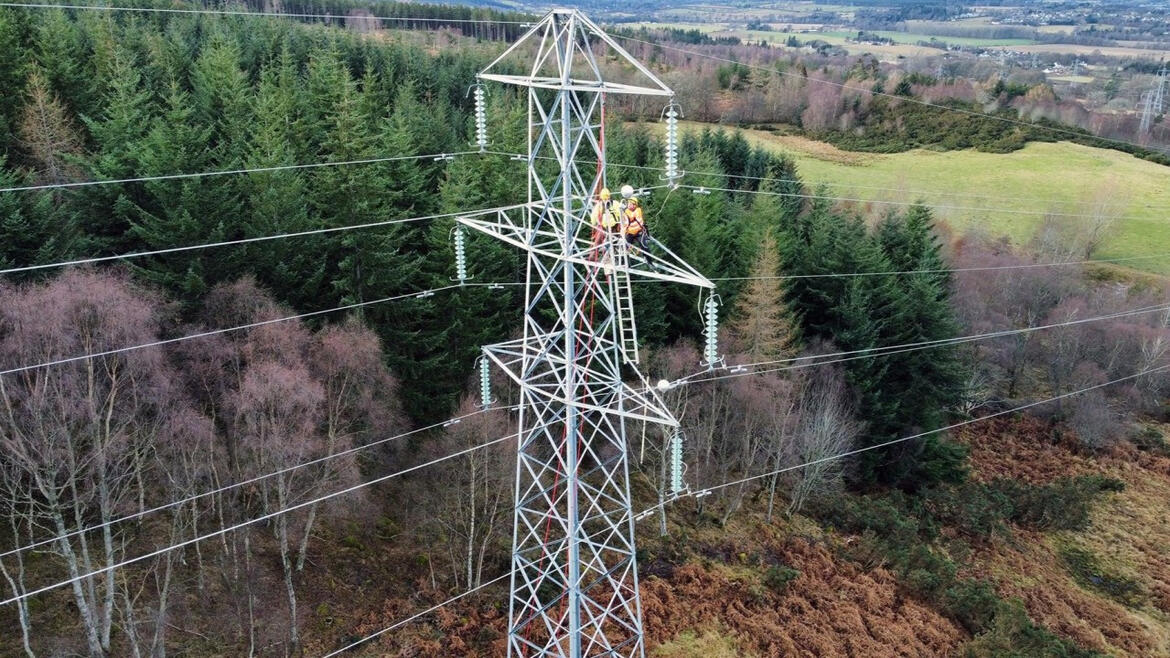
Europe's electricity networks are under growing pressure. Renewable energy production is increasing, demand for electricity is rising, and building new transmission infrastructure takes time.But what if part of the solution is already hanging above our heads?That is exactly what SSEN Transmission is demonstrating in northern Scotland.On 23 September 2026, the company announced that Dynamic Line Rating (DLR) had gone live on its electricity network north of Beauly, marking an important step in making better use of existing transmission infrastructure.Making Existing Power Lines Work Smarter
Traditionally, electricity transmission lines operate using fixed capacity limits. These limits are designed to keep the network safe, but they don't always reflect what a power line can actually carry under changing weather conditions.Dynamic Line Rating takes a different approach.By monitoring factors such as wind speed, temperature, solar radiation and cloud cover, the technology calculates how much electricity an overhead line can safely transport at a particular moment.For example, when strong winds cool a power line, it may be possible to carry additional electricity without exceeding safe operating limits.Instead of relying entirely on fixed assumptions, grid operators gain a clearer picture of the capacity available.
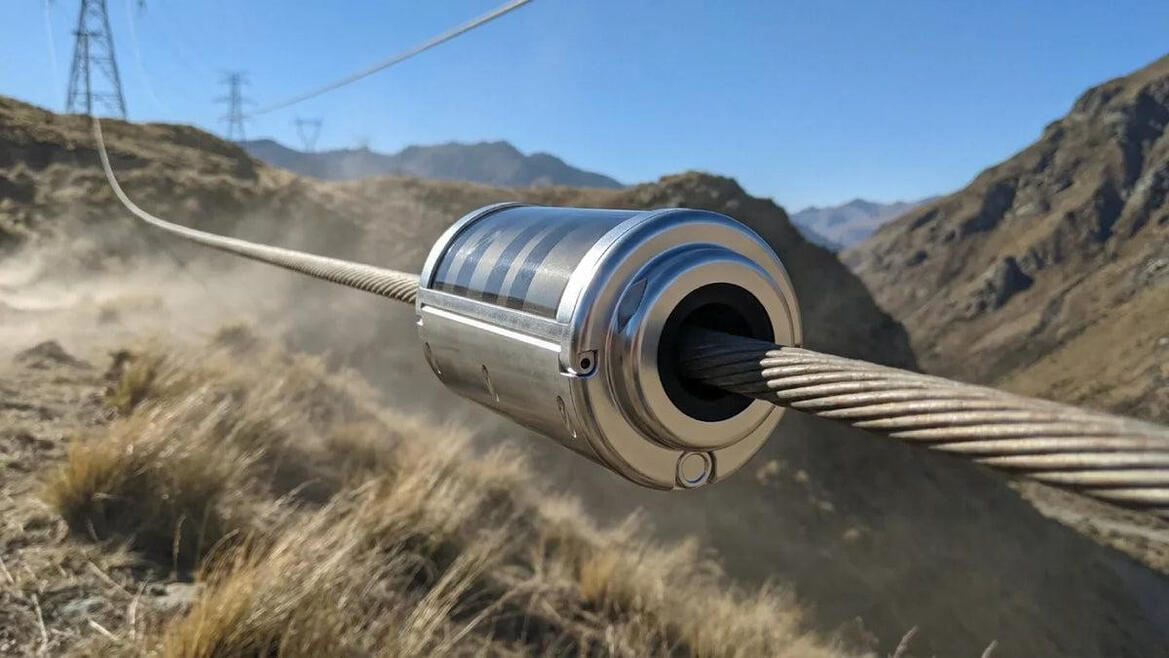
Digital Twin of transmission corridor
More Than 300 Kilometres of Transmission Network
*SSEN Transmission8 has installed DLR technology across more than 300 kilometres of overhead lines between Beauly and Dounreay.Sensors collect information from the network, while specialist software calculates real-time operating limits. The results are shared with the National Energy System Operator (NESO), supporting decisions about electricity flows.This matters particularly in Scotland, where strong renewable energy resources can sometimes produce more electricity than the network can transport.When transmission capacity is insufficient, wind farms and other generators may need to reduce their output. This creates network constraint costs that are ultimately borne by consumers.By making better use of existing infrastructure, DLR can help reduce these constraints and allow more renewable electricity to reach the areas where it is needed.What Does This Mean for Electricity Consumers?
The benefits go beyond engineering.SSEN Transmission reported approximately £296 million in consumer savings during the 2025/26 financial year, driven by reduced network constraint costs through its wider network optimisation activities.Importantly, this figure represents broader optimisation savings, not savings attributed solely to the DLR project.The lesson is clear: improving how we operate today's infrastructure can deliver real value while major grid reinforcement projects continue.The Next Step: Smarter Installation and Wider Adoption
SSEN Transmission on is also exploring live-line drone installation of DLR monitoring sensors.This could make future deployments more efficient by reducing the need to interrupt electricity circuits during installation.The Scottish project offers a practical example of how data, monitoring technology and grid operations can work together to increase usable network capacity.For European TSOs and DSOs, the question is no longer simply whether Dynamic Line Rating works. It is how quickly it can be integrated into everyday network operations—and where it can deliver the greatest benefit.David McKay, Network Director, SSEN Transmission, said:“This is a major milestone in SSEN Transmission’s delivery of innovation and efficiency in the electricity grid - the first DLR-enabled circuit on the transmission network in the north of Scotland.
"Making the best possible use of the existing network, alongside investing in grid upgrades, is helping us reduce costs for consumers while supporting Scotland's energy security and clean power ambitions."Join the Conversation in BerlinThese developments are directly relevant to the discussions at the
🎯Join the discussion at the 5th Dynamic Line Rating (DLR) &Grid Enhancing Technologies (GETs) 2026🎯
📍 24 - 25 November 2026 | Berlin
Register now: DOWNLOAD EVENT AGENDA
The event will bring together transmission and distribution operators, researchers and technology providers to explore practical DLR deployment, grid capacity optimisation and the wider adoption of grid-enhancing technologies.What can Europe's grid operators learn from Scotland's experience—and what will it take to scale similar solutions across the continent?